A Leading Weather
Software Solution Provider
Software Solution Provider
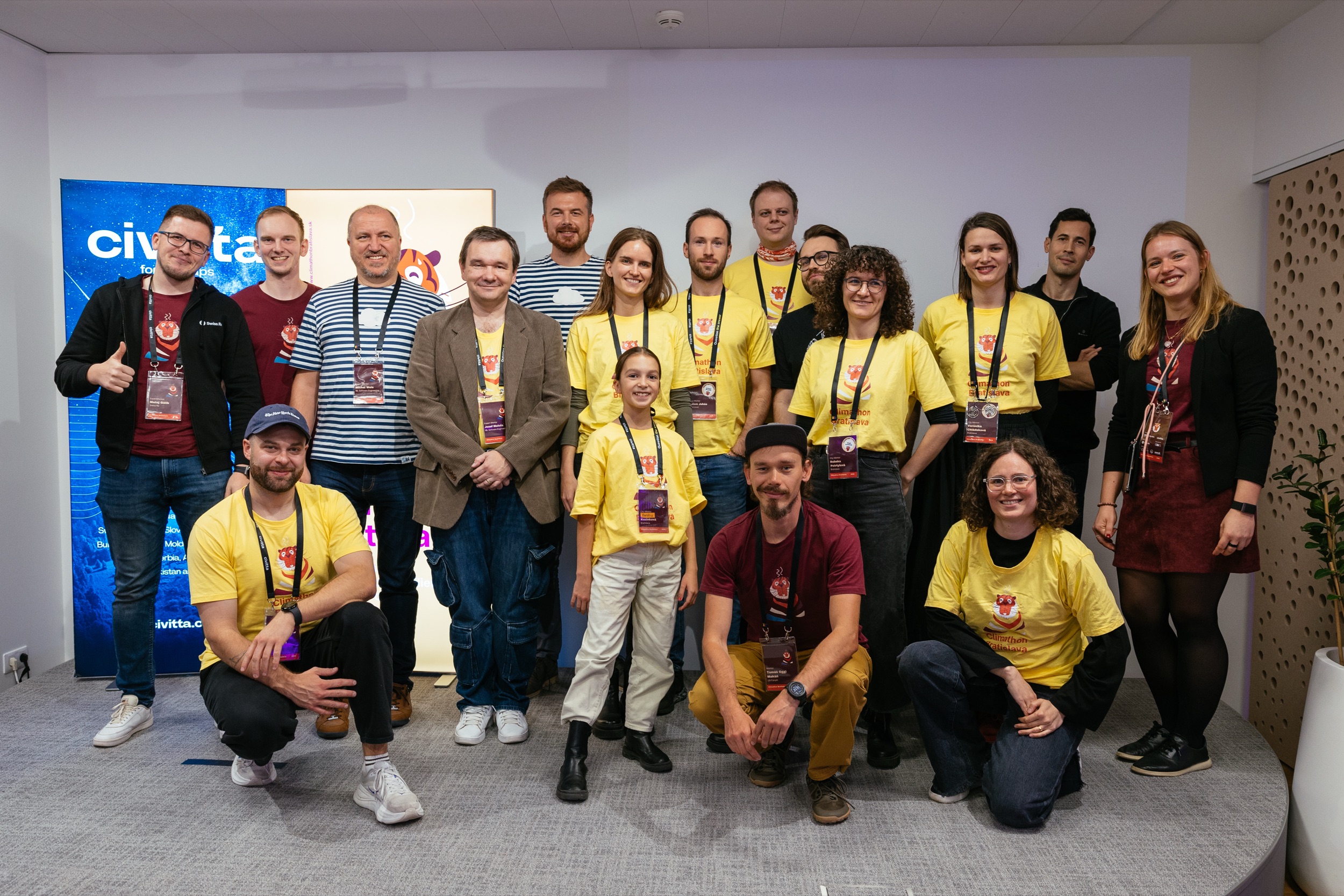
At IBL Software Engineering, we believe the most meaningful innovation happens when talented people, real-world challenges, and a shared sense of purpose come together.
That is exactly what we saw at Climathon Bratislava 2025, the sixth edition of Slovakia’s largest urban hackathon, where well over a hundred participants spent the weekend developing practical ideas to help Bratislava respond to climate and development challenges.
As one of the event partners, we were proud to support an event that brought together high school students, university talent, professionals, city experts, and mentors around a common goal: building a city that is smarter, more resilient, and better prepared for the future.
Climathon Bratislava is part of a global movement, bringing together over 140 cities from 56 countries, but what makes the Bratislava edition stand out is how closely it connects innovation with the real needs of the city.
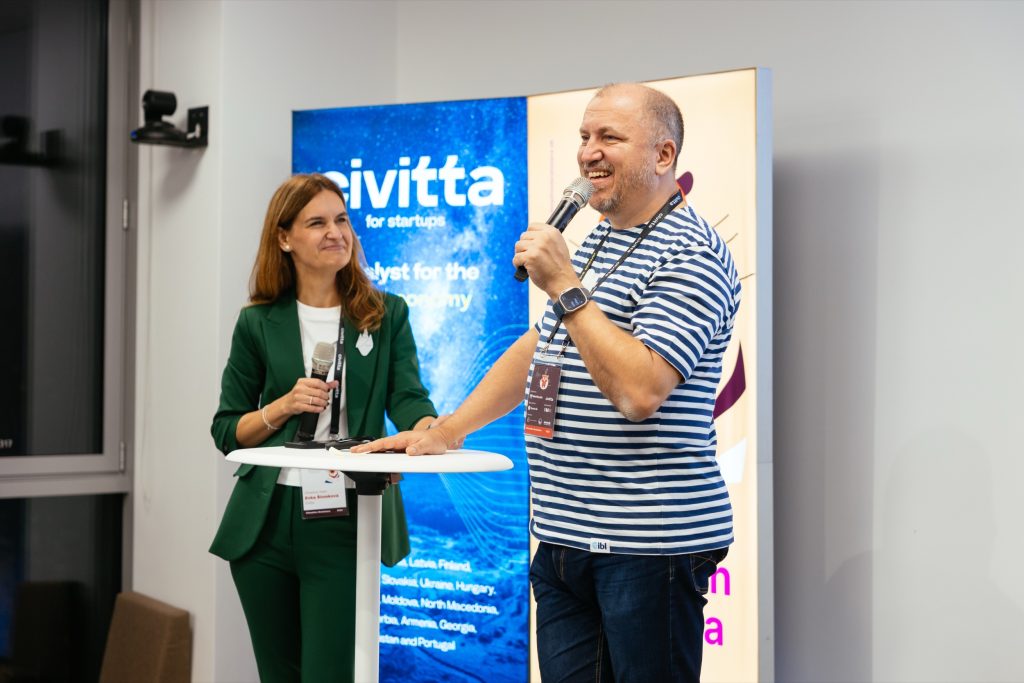
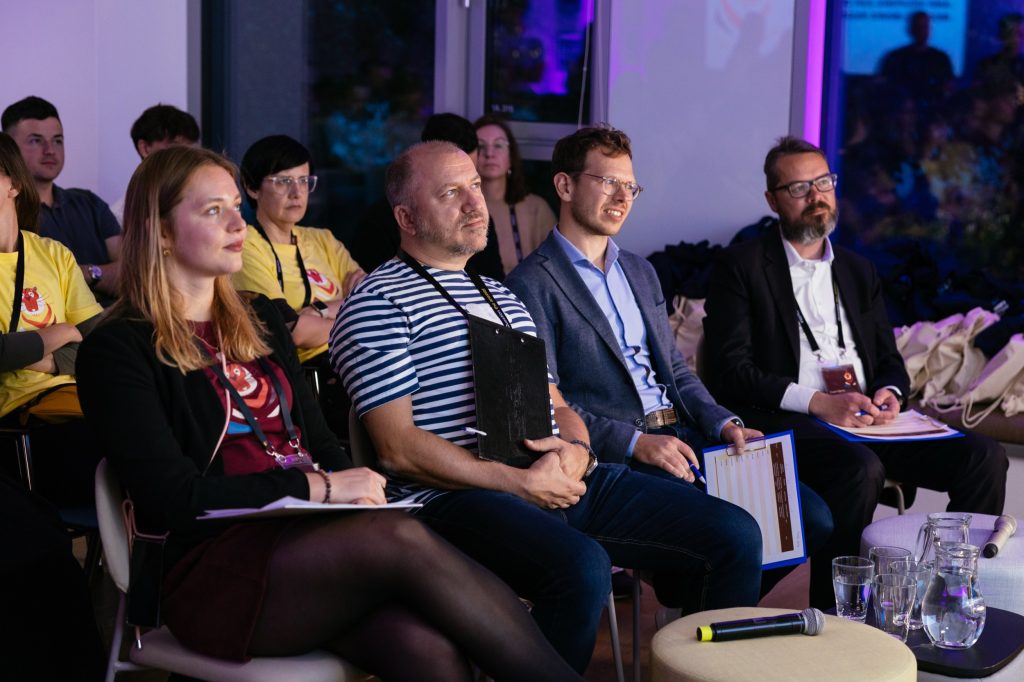
This year’s edition focused on two challenges rooted in everyday urban life.
The first asked participants how to motivate young people in Bratislava to travel to and from school more actively.
It was not only about transport, but also about habits, safety, and how to make walking, cycling, or public transport a more natural part of daily life.
The second challenge, Urban Puzzle, focused on helping Bratislava plan smarter by turning fragmented data into clearer, more useful tools for urban decision-making.
Both challenges placed a strong emphasis on implementation.
The active mobility brief encouraged solutions that could drive realistic behaviour change among children, parents, and schools. The urban planning brief challenged teams to think in systems: how to combine data, improve visibility, and support evidence-based decisions that can shape the future of the city.
The scale and quality of the event made this year’s edition especially impressive.
Twenty-five teams started the weekend, 21 completed the challenge with a finished solution and presentation, and 10 teams reached the final pitching round. Particularly striking was the strong participation of high school teams: 11 of the 25 teams came from high schools, and 5 of them reached the final.
That alone says a great deal about the energy, talent, and determination of the next generation.
And the results showed that these were not just promising concepts.
Many of the ideas felt surprisingly close to real municipal use.
The main prize of €3,000 went to the high school team KAVO.WAR for a solution that made urban analysis faster, clearer, and more accessible for decision-makers.
Their tool allows users to select an area directly on a Bratislava map, turn data layers on and off, view nearby civic amenities within walking distance, and even test changes in land use while instantly seeing the impact on values such as development fees. What stood out most was its practicality: a process that would normally take hours of manual analysis could be reduced to just a few minutes.
Second place went to Not a Candy Shop for a software tool designed to automate key parts of urban planning analysis.
Their application enables users to click on an area in the city spatial plan and immediately see information such as maximum floor area, expected population, development-related fees, and even implications for school capacity.
One especially strong use case was the city’s process for handling 20% deviations in the spatial plan, where the team showed how their approach could save significant manual work in cases that currently require days of effort.
Third place was awarded to ClimaFirst for a mobility concept aimed at children and teenagers.
Rather than treating the challenge as a simple awareness campaign, the team focused on how behaviour actually changes among young people.
Their solution used gamification, peer influence, checkpoints, points, and rewards to encourage more active and sustainable ways of getting to school. It was a strong reminder that successful climate solutions are often as much about people as they are about technology.
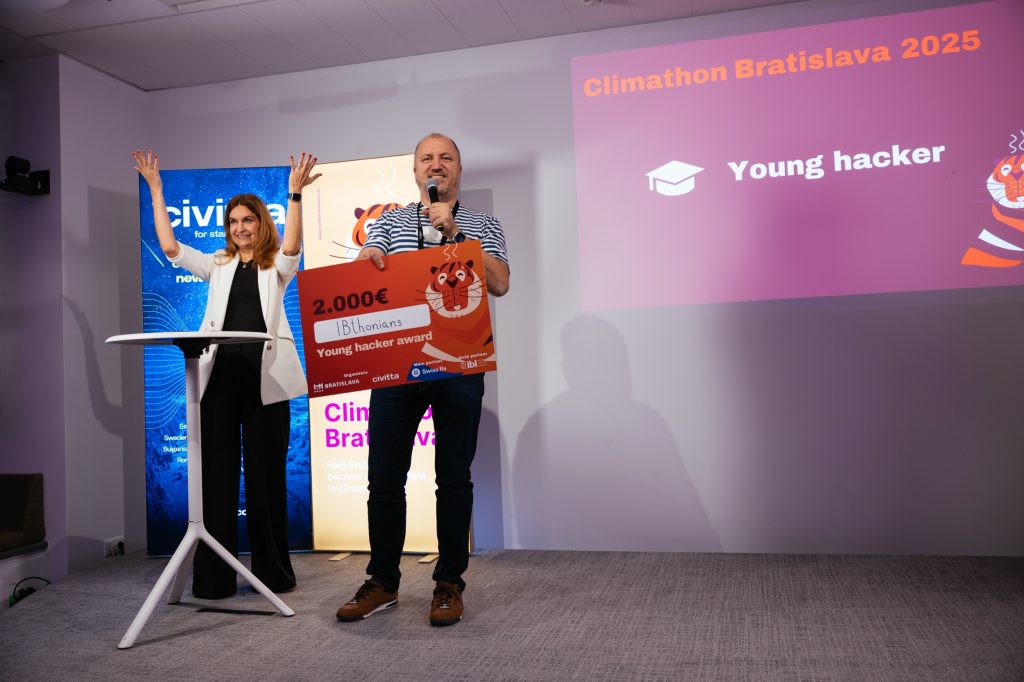
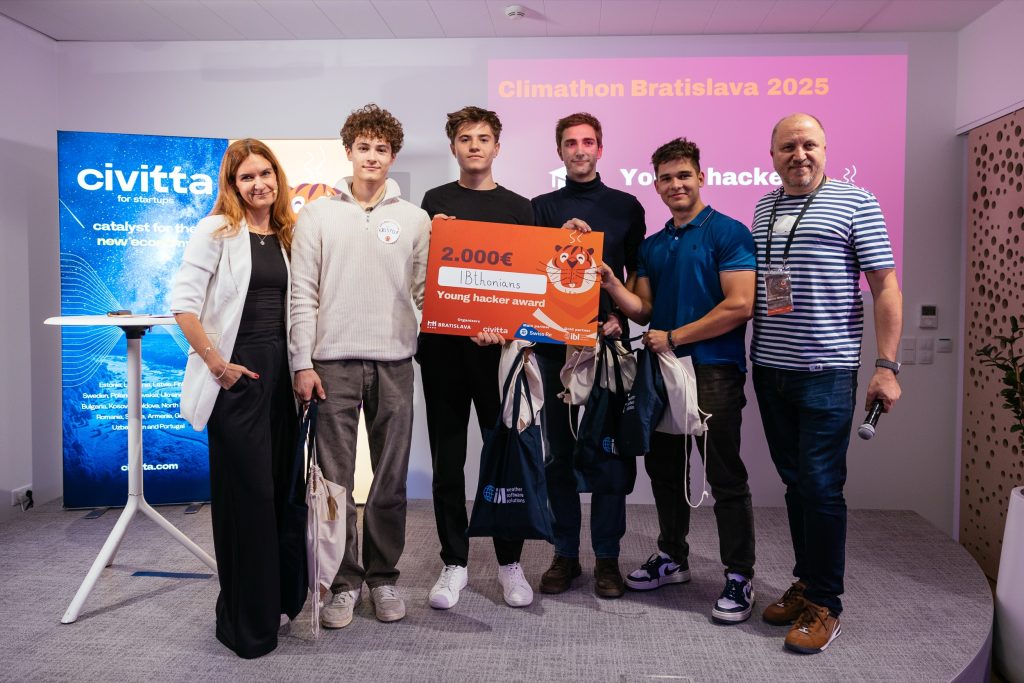
The Young Hackers Award went to IBthonians, whose project focused on one of Bratislava’s most important development opportunities: brownfields.
Their tool used an interactive map to estimate how many new residents a selected area could accommodate, calculate the civic amenities that would be needed, and compare that with what already exists nearby.
By turning a manual process that can take days into something much faster and easier to evaluate, the team showed how data tools can support better long-term urban planning.
City experts also gave an honorable mention to TUBA Gang for rethinking the Pešibus concept, a safe and eco-friendly way for children to walk to school together.
Their idea addressed one of the model’s weaker points by reducing the need for constant adult coordination and instead introducing guidance from older student peers, making the concept more practical and scalable.
One of the most encouraging aspects of the weekend was seeing how many young participants combined creativity with a clear understanding of implementation.
The final pitches were not only imaginative, but also grounded in impact, feasibility, and relevance to the city’s real needs.
That spirit was captured well by Uwe Nagel from Swiss Re, who said: “Each year the bar is raised, bringing innovative and feasible solutions for more resilient cities.”
For us at IBL, this is exactly why events like Climathon matter. Good engineering is not only about building software.
It is about understanding problems, working across disciplines, and turning complexity into something useful.
We were glad to see IBL represented among the mentors, and even more glad to be part of an event that continues to connect innovation with public value.
Climathon Bratislava 2025 once again showed that when cities, companies, mentors, and young innovators come together, the outcome is more than inspiration.
It is a set of concrete ideas with the potential to grow into real tools, better services, and smarter decisions.
We are grateful to the organisers, mentors, and every participant who brought their energy, curiosity, and determination to the weekend.
We are already looking forward to seeing which of these ideas move from concept to implementation and what the next edition of Climathon will bring.